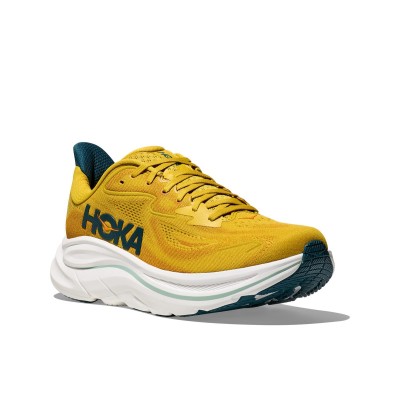
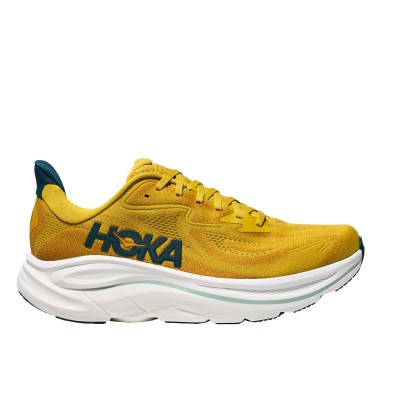
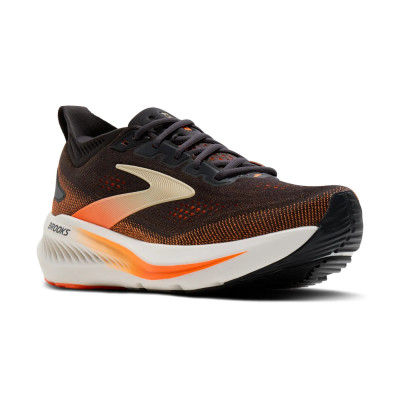
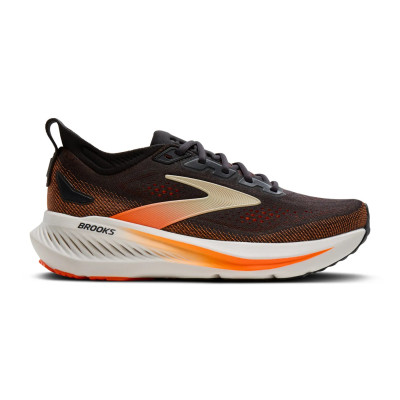
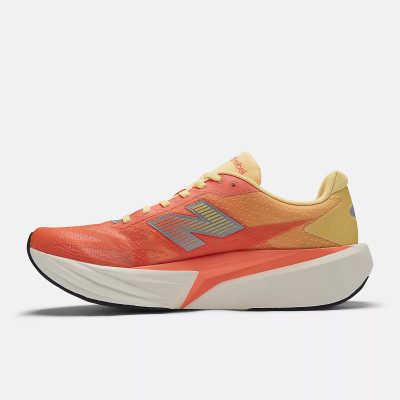
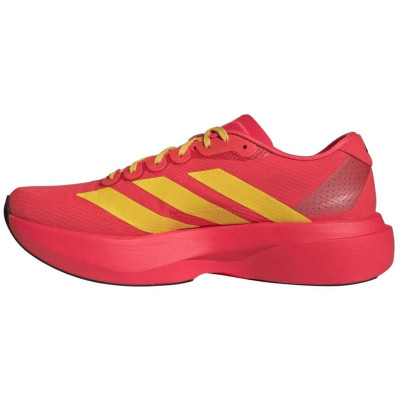
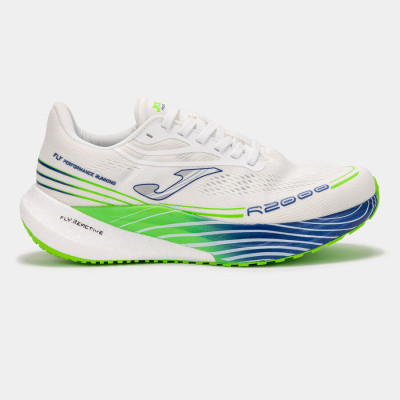
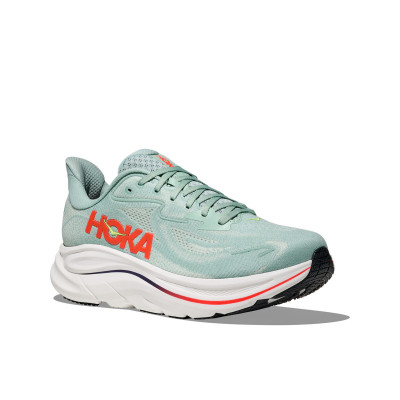
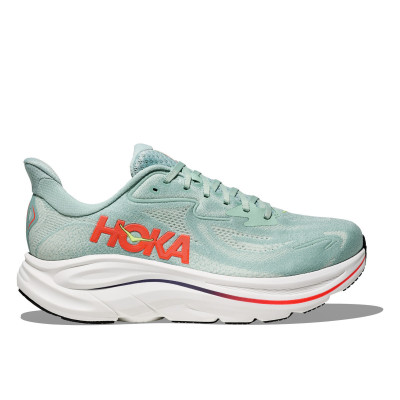
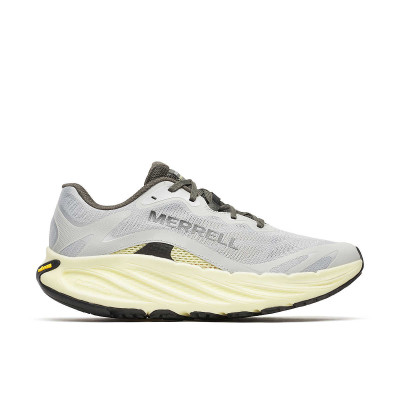
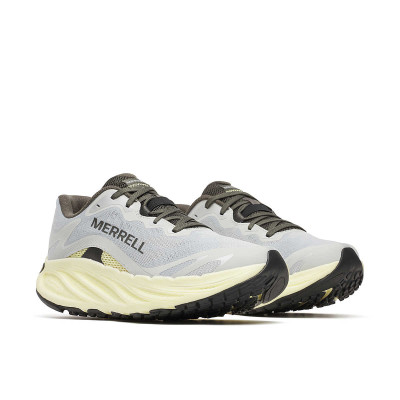
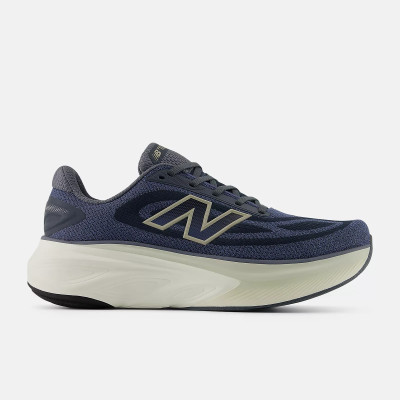
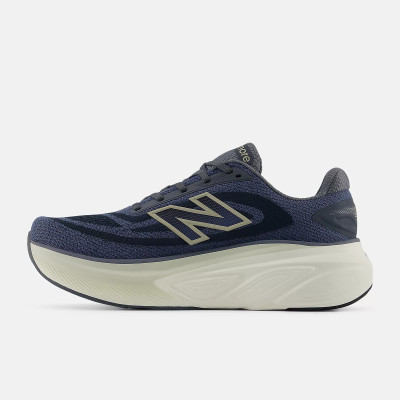
Buy Men's Running Shoes with Neutral Foot Strike at Aristarun
At Aristarun you'll find Men's Running Shoes with Neutral Foot Strike selected to perform at a high level. This catalog is geared toward long-distance runners, with cushioning and response profiles adapted to a neutral foot strike. Here you'll find models with different drop and stack to adjust the transition between heel and forefoot, optimized for VO2 max and stride economy. The shopping experience and the availability of sizes make it possible to find the ideal combination for your long runs and quality interval workouts, within the Men's Running Shoes families and their sister variants for asphalt, recovery, and walking.
Types of Men's Running Shoes with Neutral Foot Strike Available at Aristarun
The variant Men's Running Shoes with Neutral Foot Strike is a specific option within our performance family. Below are the options related to its differences:
Men's Road Running Shoes
The asphalt version emphasizes a more responsive feel and a geometry that favors fast paces on smooth surfaces, while maintaining compatibility with a neutral foot strike. Men's Asphalt Road Running Shoes
Men's Recovery and Rest Footwear
For recovery, soft cushioning and a manageable weight are prioritized to facilitate rest between long sessions, without altering the neutral foot strike. Men's Recovery and Rest Footwear
Men's Walking Shoes
Models designed for walking emphasize comfort and a wide base, with cushioning profiles that prioritize stability and walking efficiency, while maintaining a neutral foot strike. Men's Walking Shoes
Men's Running Shoes with Carbon Plate
Variants with a carbon plate aim for structural rigidity and energy return for racing paces, without losing neutrality in the heel-to-toe transition. Men's Running Shoes with Carbon Plate
Men's Competition Running Shoes
The competition line balances stiffness and drop for high-intensity runs, preserving a neutral foot strike that favors a stable running economy. Men's Competition Running Shoes
Why Choose Men's Running Shoes with Neutral Foot Strike? Key Technical Parameters
For an expert runner, the selection is based on technical criteria that condition the efficiency of your neutral foot strike and your performance in long-duration runs.
- Drop: a drop configuration oriented to a neutral foot strike, typically between 6 and 10 mm, which facilitates the transition between the heel and forefoot during long runs.
- Stack: mid-to-high midsole height for a balance between cushioning and stability in turns and direction changes during extended workouts.
- Cushioning: mid-density foam with energy return, designed to sustain mileage while maintaining a neutral foot strike.
- Sole stiffness: progressive flex that enables an efficient toe-off without increasing the effort in the propulsion phase of a neutral foot strike.
- Weight (grammage): weight range per shoe for a medium size, typically between 240 and 290 g, which influences running economy and VO2 max during long runs.
Frequently Asked Questions About Men's Running Shoes with Neutral Foot Strike
What are the differences between Men's Running Shoes with Neutral Foot Strike and Supinating Shoes?
Neutral shoes seek a balance between cushioning and a smooth transition for a stable stride, while supinating shoes prioritize greater stability and control of excessive supination. In general, the choice depends on your foot strike tendency and the type of training you perform.
What drop is typical in these shoes for long-distance running?
The typical range is 6 to 10 mm, with variations by model; this range promotes an efficient transition without overloading the shin muscles during long runs and VO2 max efforts.
Explore the full catalog of Men's Running Shoes with Neutral Foot Strike at Aristarun to compare models, sizes, and prices. If you're looking for related options, you can also check Men's Asphalt Road Running Shoes or Men's Recovery and Rest Footwear to plan your loading and rest cycles.