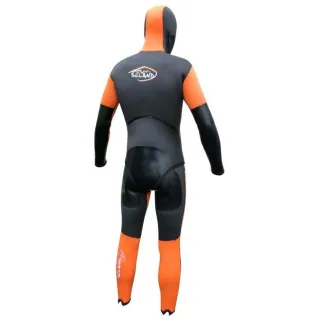
Buy Textile and Neoprene Gear at Aristarun
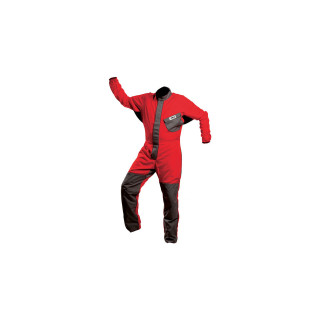
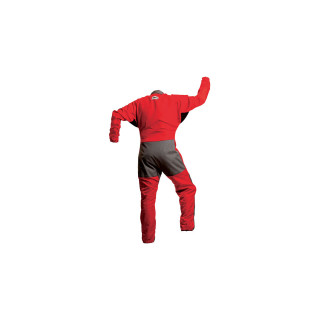
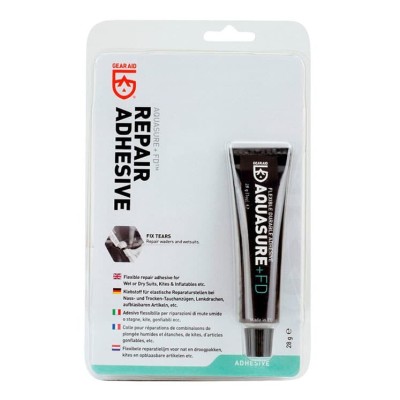
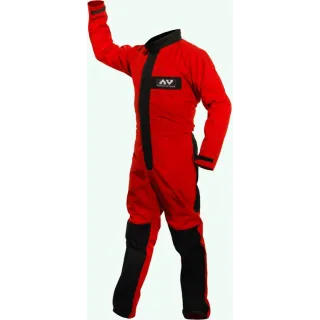
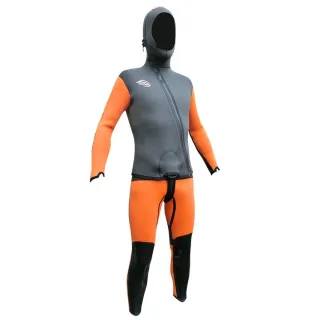
At Aristarun you will find equipment oriented toward runners with high specificity: Textile and neoprene gear to tackle technical terrain in trail, descent, and speleology. This catalog groups garments with high performance in thermal protection, waterproofing, and dynamic fit for variable altitude and humidity conditions. Designed to keep foot placement stable and to optimize VO2max during demanding mileage, they allow you to manage microclimates and chafing on continuous descents. The available stock of 13 references supports your training and expedition strategy with a technically curated selection of renowned brands.
Types of Textile and Neoprene Available at Aristarun
Textile and neoprene is a specific variant within our product family focused on garments with insulation and protection for cold or wet conditions. Below are the options related to their differences:
They differ in their purpose of securing and distributing load, with straps, buckles and tie-off points, unlike the textiles and neoprene garments oriented toward thermal protection and waterproofing.
They differ in their function of fall control and rope progression, with specific mechanisms and integrated protection against tears and punctures, compared to general-protection textiles.
They differ in their purpose of storing and sealing objects, with hermetic seals and additional protection against moisture, distinct from the climate protection of garments.
They differ in their function of protecting the head against impacts and abrasion, being oriented to expedition and descent safety, not to the thermal protection of garments.
They differ in their use for securing ropes, anchoring equipment, and managing dynamic loads, complementing the protection kit on technical routes.
Why Choose Textile and Neoprene? Key Technical Parameters
For an expert runner, selecting Textile and Neoprene should balance climatic protection, mobility, and compatibility with base layers. A good fit prevents efficiency losses in foot strike and maintains VO2max performance during prolonged segments. They directly affect comfort on technical descents and the duration of the training session.
- Waterproofing of neoprene and membranes to minimize leaks and preserve insulation on wet sections.
- Breathability of technical fabrics to wick moisture without compromising protection.
- Weight of fabric and neoprene, balancing warmth, flexibility, and compression on long descents.
- Elasticity for a fit that does not hinder foot strike or controlled pronation on uneven terrain.
- Seams and durability that resist abrasion and microcracks on wet rocks and sections of light climbing.
Frequently Asked Questions about Textile and Neoprene
What differences are there between textiles and neoprenes for technical trail?
Neoprene provides greater insulation and protection against water, while textiles prioritize breathability and freedom of movement. In cold sections or with wet rocks, the choice depends on exposure and the length of the run.
How to choose Textile and Neoprene for speleology or canyoneering?
Consider waterproofing, abrasion resistance, and sealed seams; ensure compatibility with a base layer and with a harness. Check the fit to keep footing stable during descents and maneuvers in tight spaces.
Explore the complete Textile and Neoprene catalog to ensure your optimal setup. You can also review relevant subcategories such as Helmets, Speleo and Canyon Harnesses, and Dry Bags to complete your exploration and descent kit.