
Shopping Cart
There are no more items in your cart



















































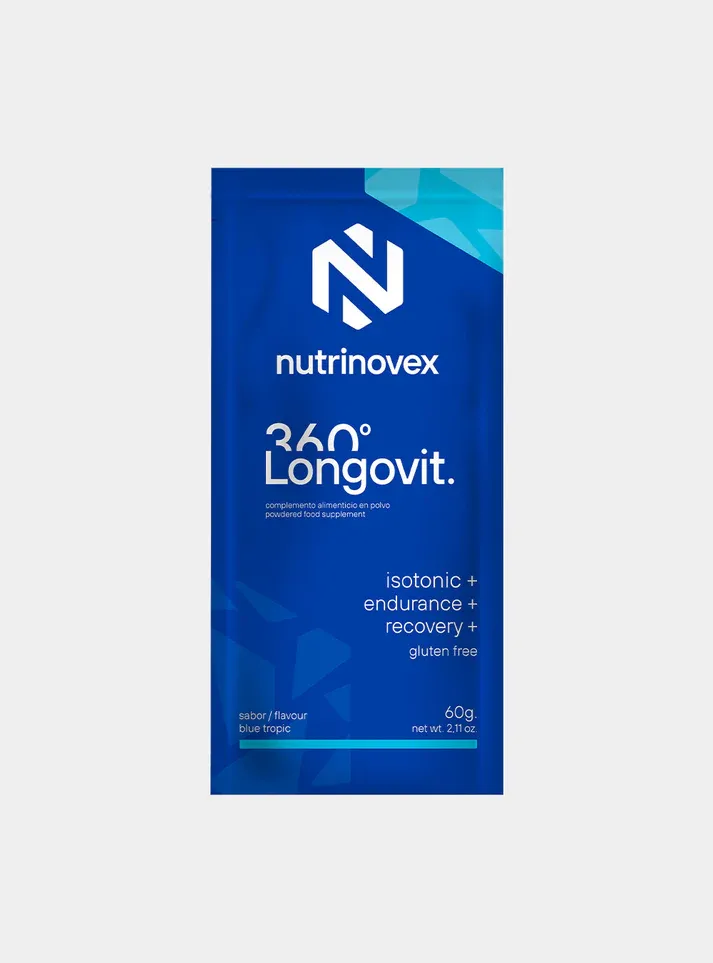

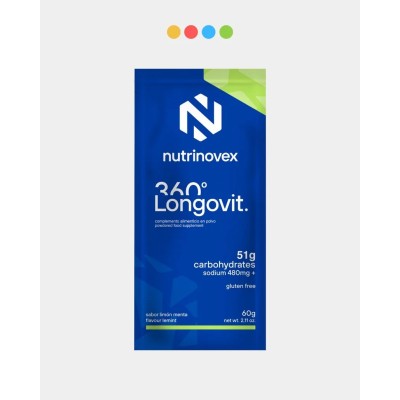
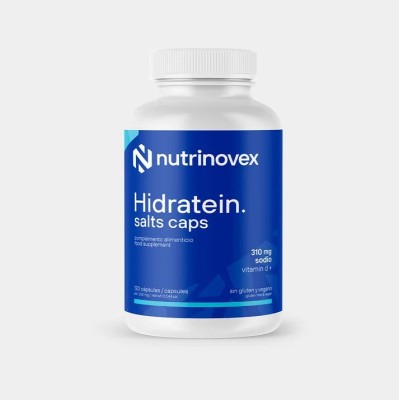
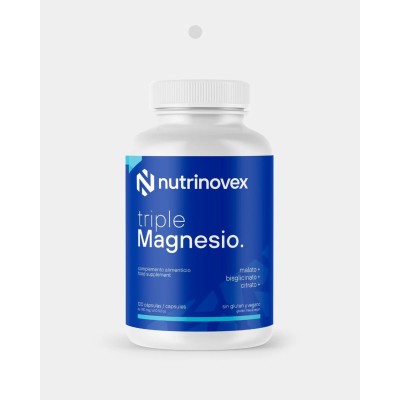
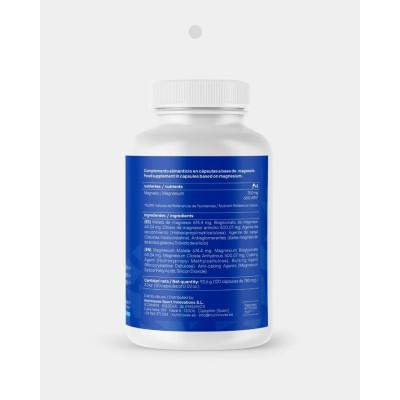


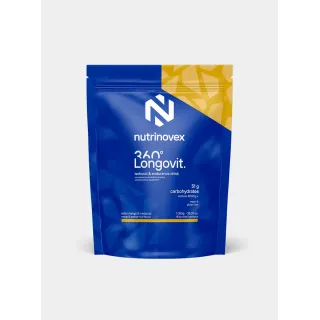
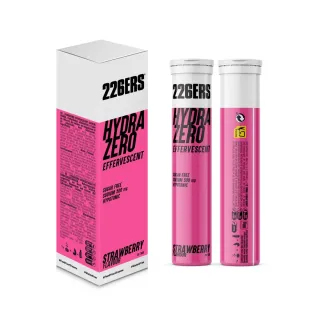


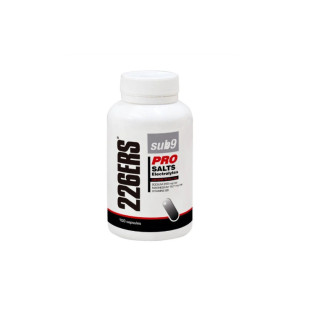


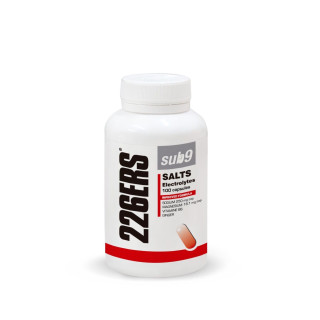


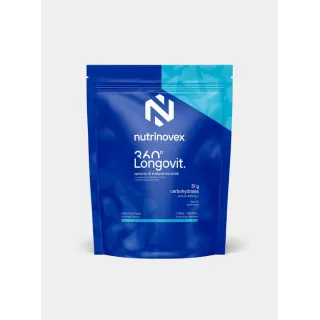

In your endurance and ultratrail training, the Isotonic Drinks optimize electrolyte and glucose replenishment during prolonged runs. This catalog groups 22 references with different osmolarities and sodium profiles to tailor intake to intensity, duration, and environment. With Aristarun you have access to detailed technical data sheets, consistent stock, and fast shipping, ideal for maintaining your VO2max without compromising gastric stability. Explore options that allow precise control of urine output and metabolic fatigue during mileage of training runs and trail.
Isotonic drinks are a specific variant within our sports nutrition family, designed for efficient electrolyte replenishment without excessive caloric input. Below are the options related to their differences:
Energy gels differ in their matrix and absorption rate; they provide carbohydrates in gel form with high viscosity for progressive replenishment of glycogen, whereas isotonic drinks prioritize replenishing electrolytes and glucose in solution for continuous consumption during runs.
Recovery products focus on proteins and amino acids for post-exercise repair, compared to isotonic drinks that are consumed during activity to maintain the proper osmolality and prevent hyponatremia.
Energy drinks combine carbohydrates and caffeine, unlike isotonic drinks that focus on electrolytes and glucose with stable proportions for continuous intake during exercise.
Bars provide energy density and macronutrients for intervals, complementing electrolyte replenishment during the session, while isotonic drinks are consumed at each liquid intake to prevent glucose spikes and maintain balance.
Gummies offer a rapid ingestion of carbohydrates in a chewable form, unlike the continuous dissolution of isotonic drinks that favors a constant absorption rate without sticky residue in the mouth.
For an expert runner, the selection should be based on criteria of osmolarity, carbohydrate concentration, and electrolyte profile, which influence the absorption rate and muscle fatigue during mileage from training runs and trail. Consider these parameters when comparing references:
They are replenishment drinks that maintain electrolyte and glucose balance during prolonged efforts. They are used to prevent hyponatremia and optimize the rate of absorption, especially in trail running and long-duration runs.
Administer portions at regular intervals according to intensity and sweat; in warm climates increase the frequency of intake and accompany with water. Adjust the dose to maintain the proper osmolarity and avoid gastric upsets during ascents and descents.
Ready to optimize hydration and electrolyte replenishment in your sessions? Explore the full catalog of Isotonic Drinks and related subcategories to tailor to your discipline: Energy gels, Energy drinks and Gummies.