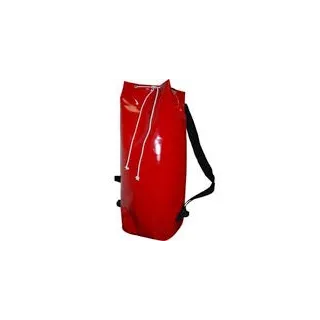
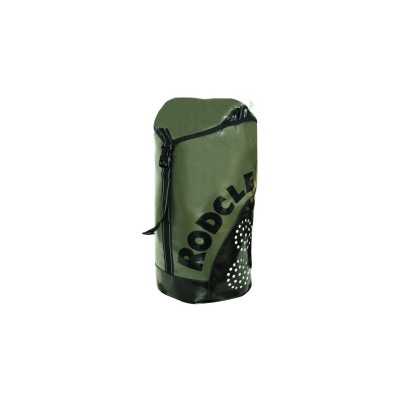
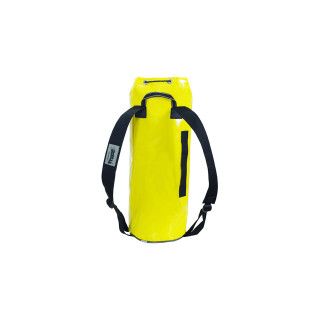
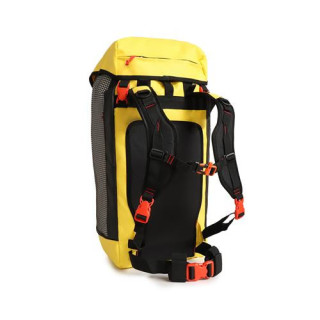
Buying Rucksacks and Backpacks at Aristarun
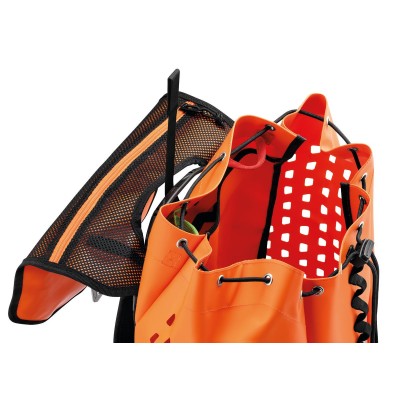
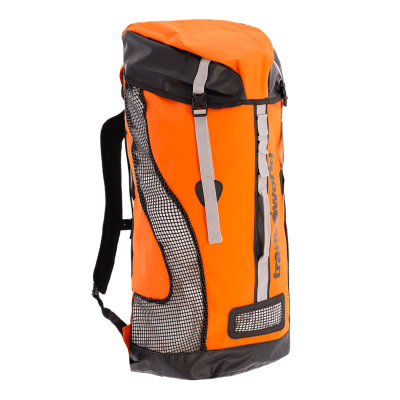
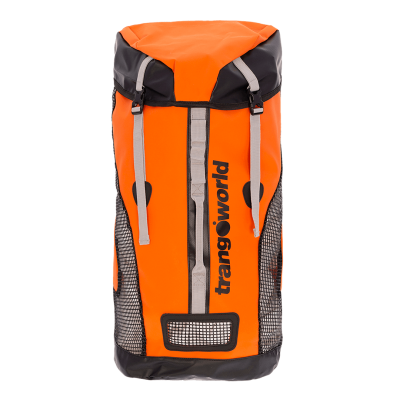
If you are an advanced runner, this catalog oriented toward technical performance is made for you. At Aristarun you will find a selection of Rucksacks and Backpacks designed for stable loads during long runs and technical treks. Our assortment prioritizes an ergonomic back panel, belt adjustment systems, and compatibility with progression gear in vertical terrain to optimize the management of VO2max and weight per kilometer.
Types of Rucksacks and Backpacks Available at Aristarun
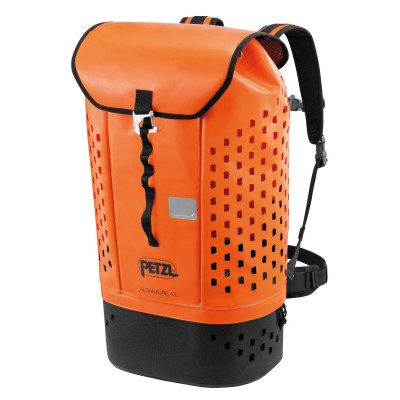
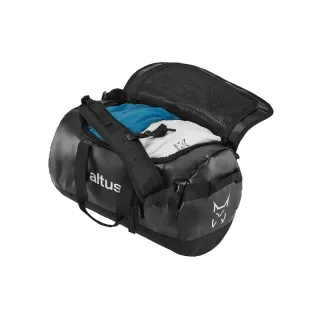
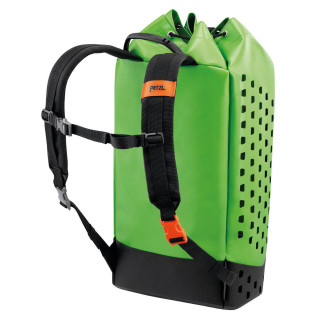
This variant within our product family is designed to offer a balance between structural rigidity, impact cushioning, and waterproofing, without sacrificing maneuverability on ascent and descent. Below you will find the options related to their technical differences and preferred uses:
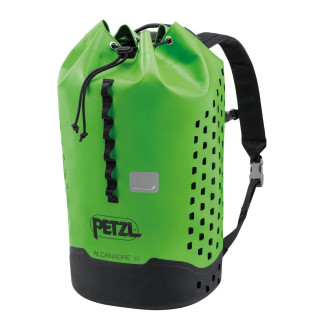
It differs from Rucksacks and Backpacks in load distribution and rope anchor points, favoring stability during technical maneuvers and vertical climbs ().
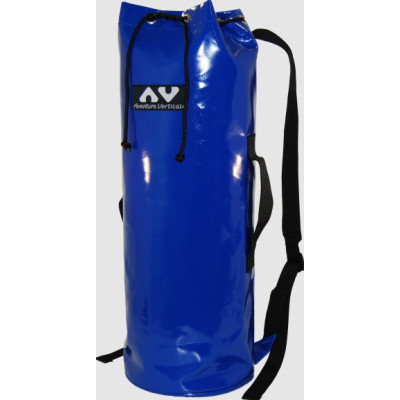
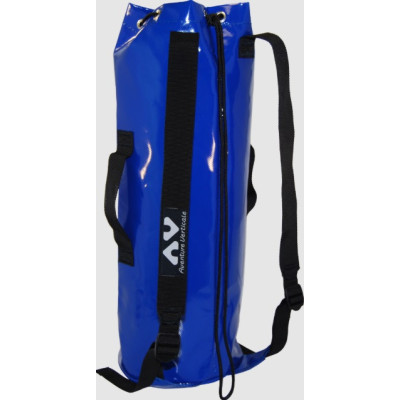
Focused on progression safety and rope management, they present lower load depth and integrated anchor systems, differentiating from the long-load transportation proposal ().
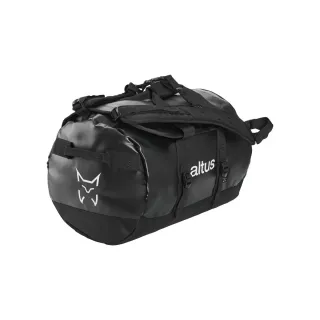
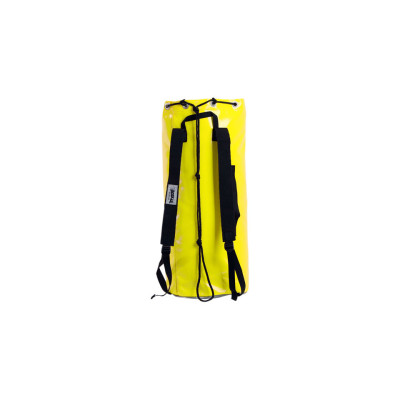
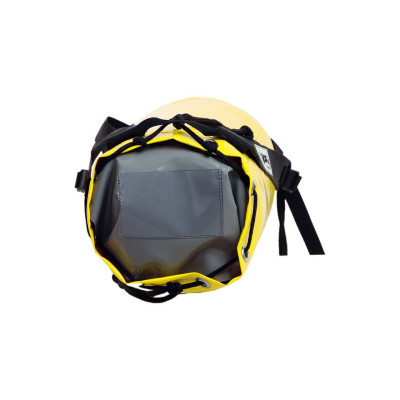
Load type focused on maximum waterproofing and seam sealing, ideal for dealing with water splashes and humidity, without sacrificing compatibility with load-carrying systems in mountain ().
Personal protective equipment; they do not carry load, but they are integrated into the overall safety management in technical terrain and alpine traverses ().
Anchoring and internal organization components, that complement load distribution in guide backpacks and expedition battalions ().
Why choose Rucksacks and Backpacks? Key Technical Parameters
To select models in this segment, pay attention to these technical criteria that directly impact performance, comfort, and safety during your trail runs, treks, or climbs:
- Capacity (liters): appropriate size for autonomy and weight distribution; defines how much material fits without degrading mobility on rough terrain.
- Waterproofing: degree of water resistance and seam sealing; crucial for rain, puddles, and dew at altitude.
- Fabric weight: greater thickness provides durability against rocks and abrasion, at the cost of added weight on the back.
- Back panel ventilation: back panel and channels for airflow; reduces temperature and fatigue during long runs.
- Adjustment system: adjustable hip belt and shoulder straps; optimizes load distribution and minimizes micro-movements during the stride.
Frequently Asked Questions about Rucksacks and Backpacks
What capacity do I need for multi-day treks?
It depends on the gear, the weather, and your autonomy. For technical routes with ropes and climbing gear, 35-45 L is usually adequate; for lighter outings, 20-30 L may suffice if you manage weight and volume efficiently.
What waterproofing is sufficient for mountain treks?
For humid environments, look for a minimum waterproof rating of 20,000 mm and taped/sealed seams; also consider an additional waterproof cover for extreme weather and persistent rain.
Explore the catalog of this category to find models with the right features. Direct link: this catalog. Also review related subcategories: Speleo Harnesses and Canyon Harnesses, Dry Bags, Helmets.