Shop Trekking Poles at Aristarun
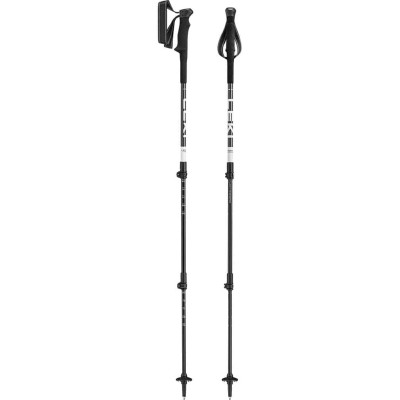
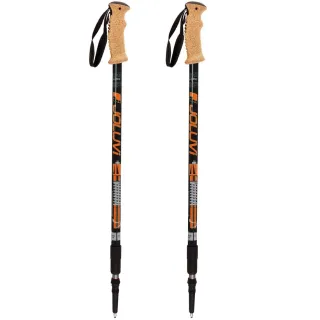
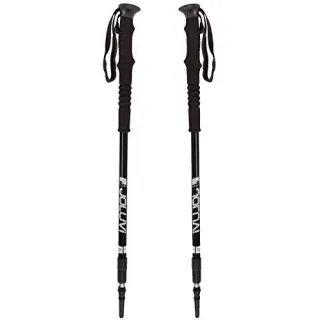
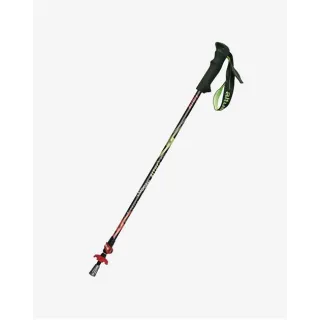
As an advanced runner, I demand precision and performance on every outing. In the Trekking Poles category at Aristarun you will find a technical catalog focused on efficiency in ascending and descending, with variants of drop, stack, and adjustable damping for mixed terrain. Designed to maintain stability at high VO2max paces and to optimize running mileage on inclines, these poles enable a smooth transition between tempo runs and trail. At Aristarun we combine field testing, spare parts, and expert advice so that your gear maintains performance without compromising forearm ergonomics.
Types of Trekking Poles Available at Aristarun
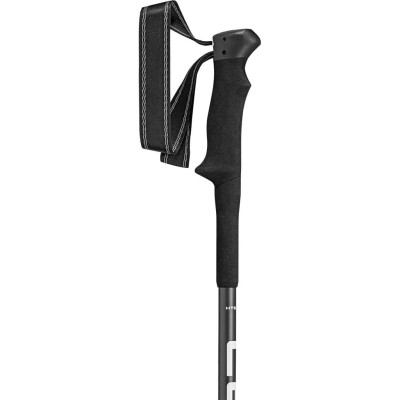
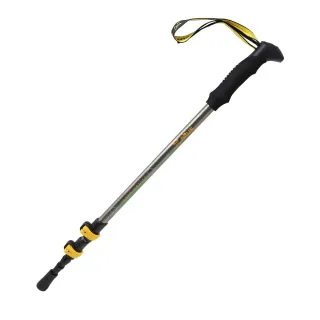
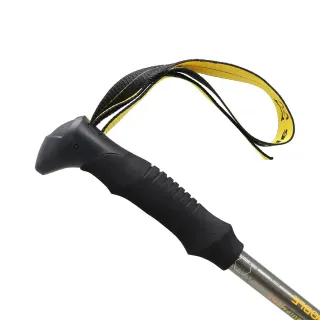
Trekking Poles are a specific variant within our trekking family; the difference is manifested in grip ergonomics, load distribution, and the adjustment system for dynamic terrains. Below are the options related to their differences:
Nordic Walking Poles
They differ in grip ergonomics and load distribution, prioritizing wrist mobility and a high cadence on mixed terrain. Nordic Walking Poles
Trekking Caps
The Trekking Caps offer protection and temperature management without adding forearm traction load. Trekking Caps
Trekking Beanies
The Trekking Beanies add insulation and head fit, reducing exposure risk on dusty descents. Trekking Beanies
Trekking Gloves
Trekking Gloves improve grip, vibration control, and skin protection on rocky sections. Trekking Gloves
Trekking Sunglasses
Trekking Sunglasses with UV protection and glare reduction for rapid changes in light in alpine environments. Trekking Sunglasses
Why Choose Trekking Poles? Key Technical Parameters
For an expert runner, these criteria determine the ability to maintain performance on technical climbs and fast descents without losing efficiency in training mileage.
- drop: distance between the grip and the tip; affects stride leverage and the transition on technical slopes.
- stack: tube length and axis spacing; defines maneuverability and torsional response in tight turns.
- damping: system for absorbing impacts at the tip or the assembly; reduces forearm fatigue on rock and ice.
- weight (per pair): weight per pair; influences the rate of arm rotation and the conservation of VO2max during ultratrail.
- tube stiffness: axial stiffness of the material (carbon vs aluminum); determines stability on descents and the dynamics of foot strikes on uneven terrain.
Frequently Asked Questions about Trekking Poles
What length should Trekking Poles have?
The length is adjusted to arm length and height to keep the elbow near 90 degrees at foot strike; 100–125 cm covers most trail profiles. On steep slopes, adjust slightly to avoid pronation and push more efficiently.
What material is best for Trekking Poles?
Carbon fiber offers a better weight-to-stiffness ratio and less fatigue on long runs; aluminum is more robust and economical, with greater impact tolerance. The choice depends on your running mileage and the terrain you usually run on.
Ready to optimize your stride? Explore the full Trekking Poles catalog and related options at Aristarun: Trekking Poles, Nordic Walking Poles, or return to the Trekking Accessories section to expand your kit.