Buy Caving and Canyoning Ropes at Aristarun
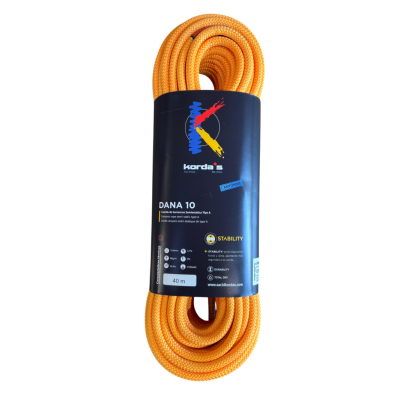
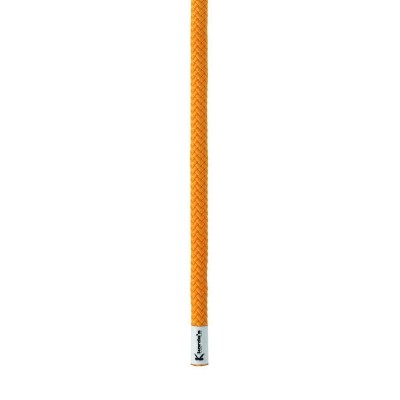
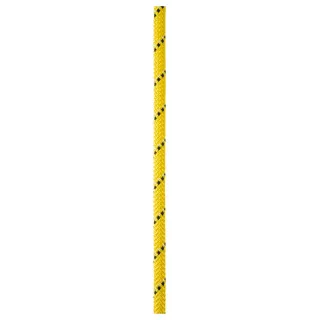
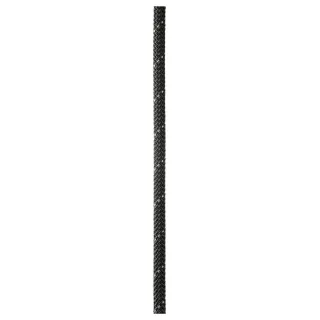
In the field of technical mountain and canyon exploration, the Caving and Canyoning Ropes define safety, reliability, and efficiency in progression and self-rescue. This catalog brings together static and dynamic ropes, with lengths and diameters compatible with descents into caverns and water sections, designed for high-demand challenges. By browsing the category you will find EN/UIAA-certified references, with strength tests and elongation management to maintain control at high VO2max and with extensive field mileage. At Aristarun we offer 23 references, selected to minimize pack weight without sacrificing structural integrity during belaying and rappelling maneuvers.
Types of Speleo and Canyon Ropes Available at Aristarun
Speleo and canyon ropes are a specific variant within our family of technical ropes, designed for progression in damp environments, slippery rocks, and controlled jumps. Below are the options related to their differences:
Speleo and canyon ropes differ from Speleo and Canyon Harnesses in that the ropes prioritize elongation resistance and impact absorption during progression; see.
In comparison with Descenders and Blockers, the rope provides greater specific rigidity for controlled descents and less hand fatigue in arduous rappel maneuvers; see.
Dry bags complement the load by keeping the critical elements dry; they are not ropes for progression; see.
Helmets protect the explorer during movement and impacts, while the rope manages linear safety in climbs and jumps; see.
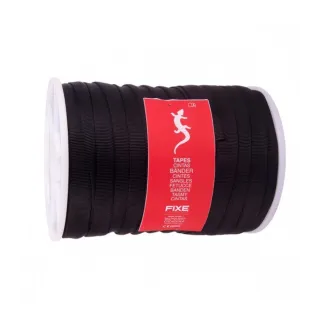
Webbing and rings are used for anchors and complementary joining systems, differentiating from ropes by their rigidity and load management, see.
Why Choose Speleo Canyon Ropes? Key Technical Parameters
If you seek to optimize safety and performance in technical expeditions, these criteria should guide your selection:
- Diameter: Typical diameters between 9 and 11 mm balance stiffness, handling and friction in carabiners and anchors, especially in wet conditions.
- Elongation: The percentage of elongation determines energy absorption during stops, key for controlled descents and rescue.
- Weight per meter: Weight per meter that impacts run mileage and pack fatigue on long exploration days.
- Waterproofing: Hydrophobic treatments that reduce water absorption and weight variation in wet sections.
- Abrasion resistance: Durability against rough rock surfaces, a decisive factor in canyons with technically challenging passage sections.
Frequently Asked Questions about Speleo Canyon Ropes
What differences are there between static and dynamic ropes for speleo canyoning?
In speleology and canyoneering, a static rope with reduced elongation is preferred to ensure constant loads and predictable movements. Dynamic ropes are reserved for occasional uses where impact absorption is prioritized in jumps or descents of considerable amplitude.
How to choose the length and diameter for a canyon setup?
For typical progression in canyons, 30–60 m and 9–11 mm offer a balance between maneuverability, cost and safety. Consider the length of pitches and the likelihood of reaching a secure anchor point.
Explore the complete catalog of Speleo and Canyon Ropes and find the option that best fits your progression style and rescue objectives. Visit Speleo and Canyon Ropes or access relevant subcategories such as Speleo and Canyon Harnesses and Descenders and Blockers to complete your kit.