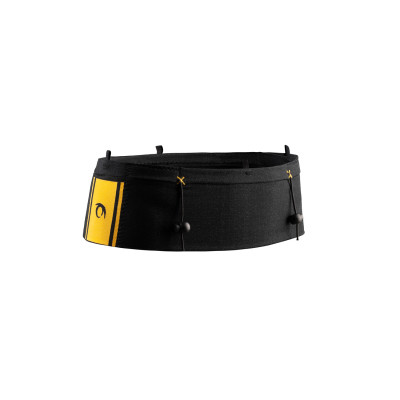
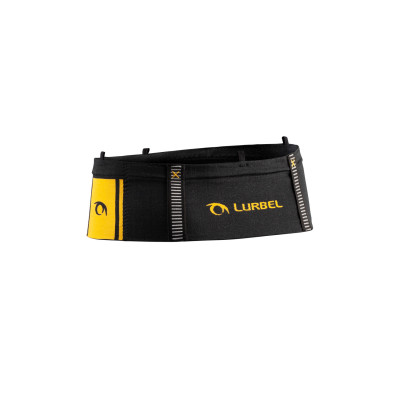
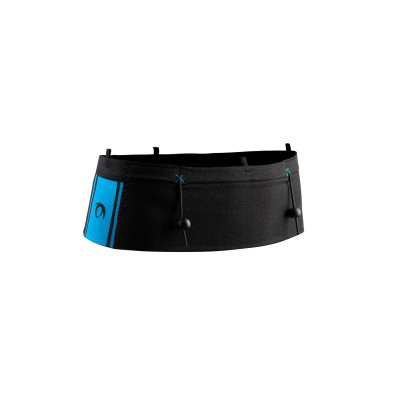
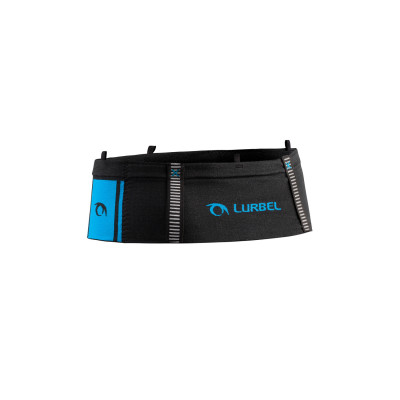
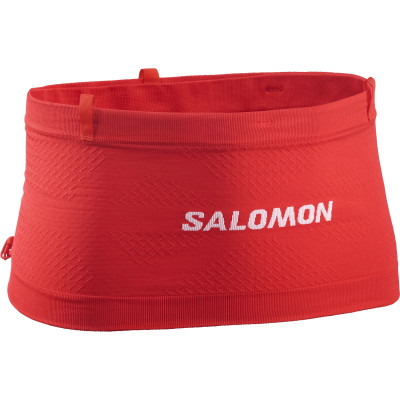
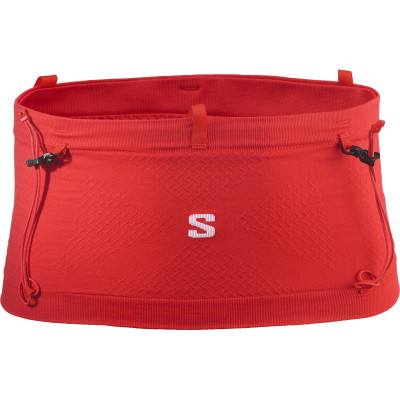
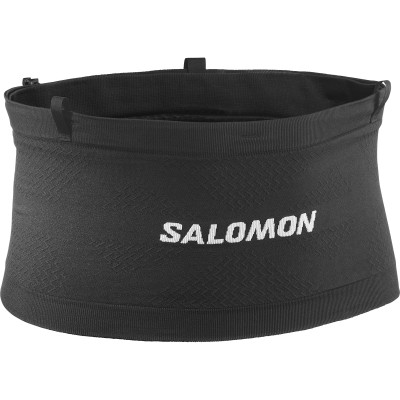
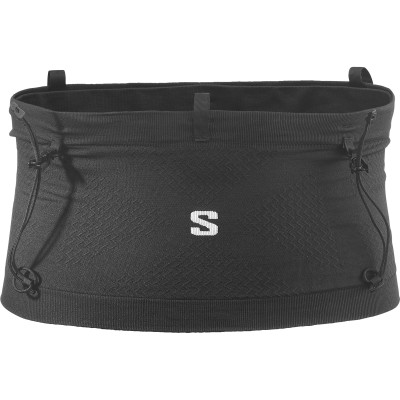
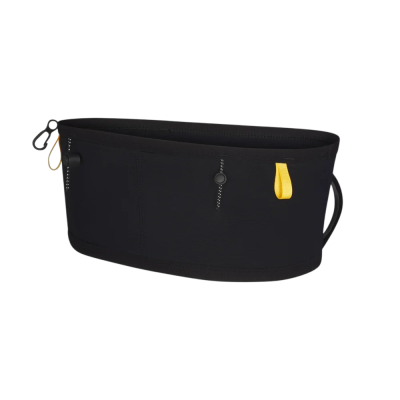
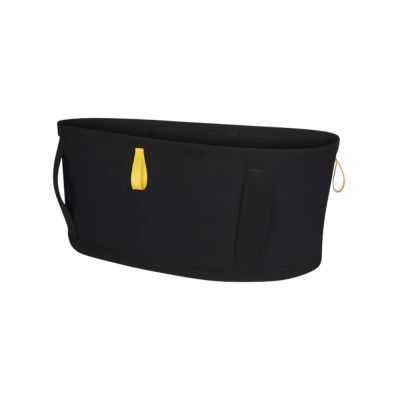
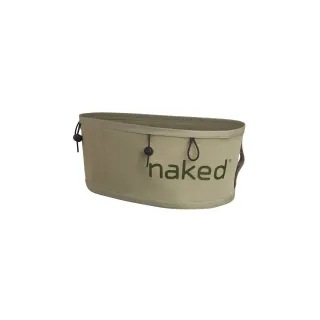
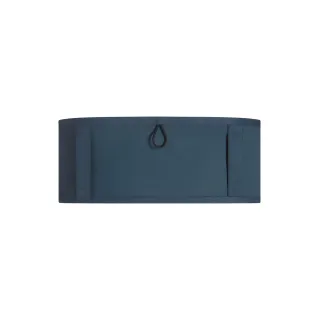
Buy Trail Belts at Aristarun
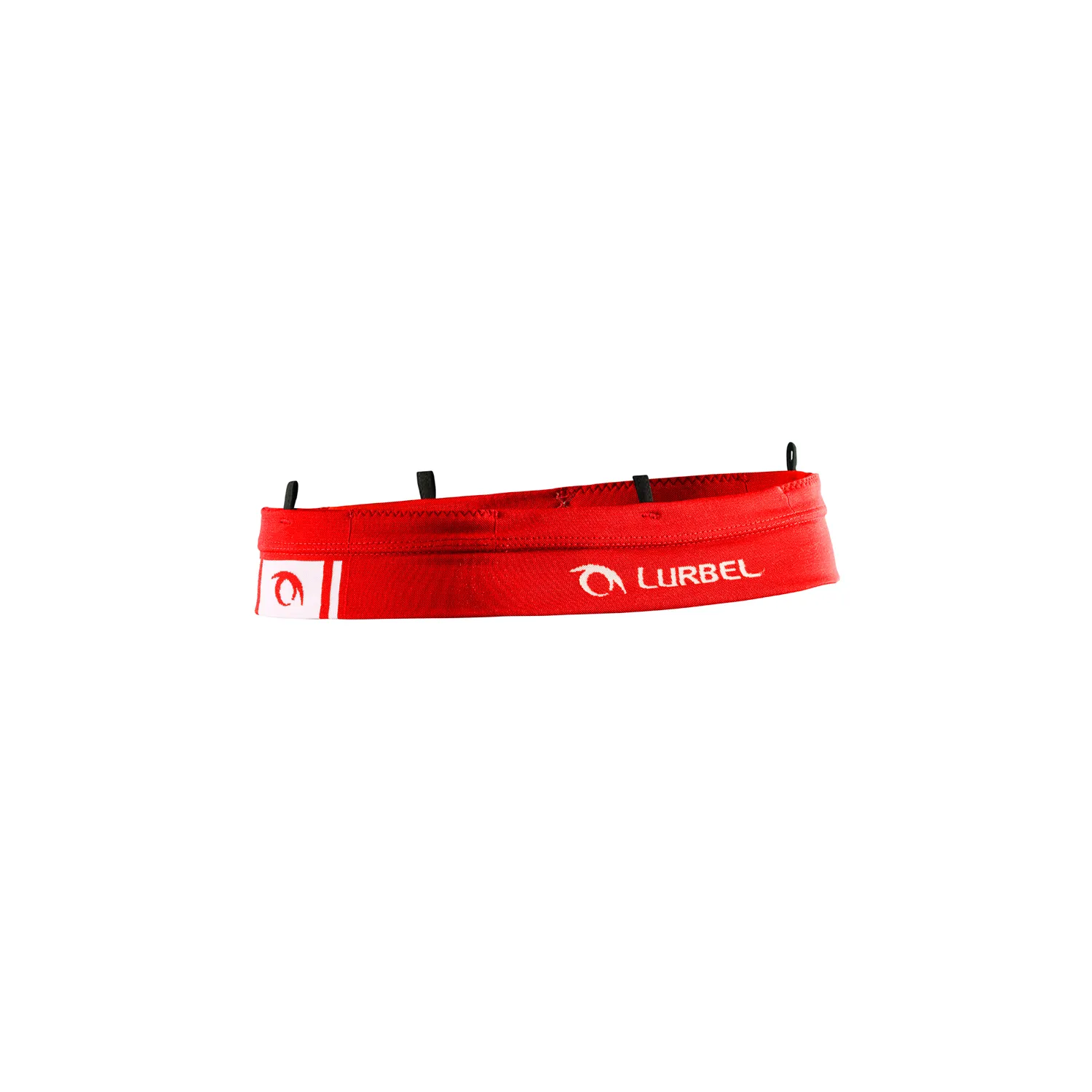
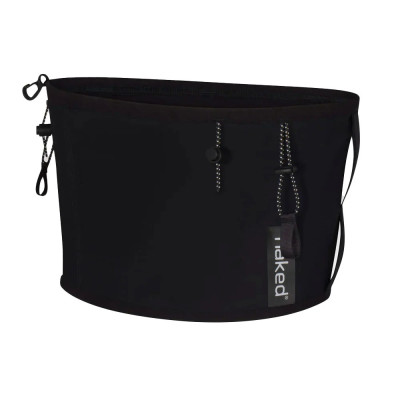
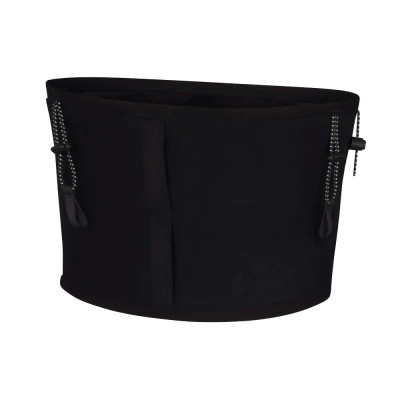
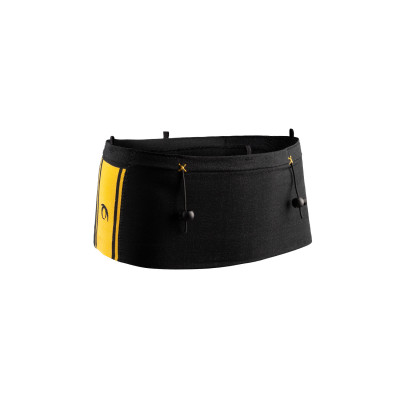
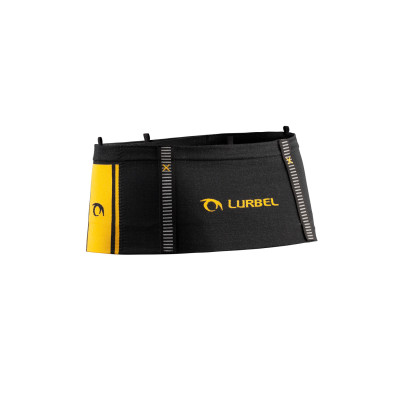
If you’re seeking sustained performance in trail running, Trail Belts should combine lightness, load distribution, and quick access to gels without affecting your stride. This technical catalog brings together models with different storage capacities, closure systems, and materials, designed for high VO2max and prolonged running mileage. At Aristarun you’ll find ultralight options for long runs and belts with structured pockets for gels, bars, and a phone. All offerings meet durability standards and reduce unnecessary movements during the race.
Trail Belts Available at Aristarun
Trail Belts are a variant aimed at managing consumables without altering foot strike or range of motion. Below are the key differences:
Trail Poles
The main difference from Trail Belts lies in the integration of attachments for poles, optimizing stability without altering your gait; check the options at Trail Poles.
Trail Hydration Bags
Compared to Trail Belts, its focus is continuous hydration, with a bottle or bladder system and anchor points that preserve hip stability; explore the options at Trail Hydration Bags.
Trail Glasses
Trail Glasses prioritize eye protection and ventilation during the race; unlike the belt, they seek to optimize visibility and avoid excessive head movements; view the options at Trail Glasses.
Trail Caps
Trail Caps focus on temperature control and sun protection, with no extra load, so they differ from Trail Belts in their main function; check the options at Trail Caps.
Trail Backpacks
Trail Backpacks offer greater load distribution and capacity, with compression systems and a padded back; compared to Trail Belts, they prioritize load suspension on long runs; discover the options at Trail Backpacks.
Why Choose Trail Belts? Key Technical Parameters
To select a Trail Belt suitable for mountain runs, consider these technical parameters that impact stability, running efficiency, and breathability.
- Storage capacity: modular distribution of pockets for gels, bars, and keys, without compromising the center of gravity.
- Fit and retention: closure system and straps that prevent oscillations at VO2max paces and on technical descents.
- Weight and mass: low total weight per unit so as not to affect cadence and foot strike efficiency.
- Materials and water resistance: water-repellent or water-resistant fabrics that maintain load integrity in humid conditions.
- Durability of materials and seams: reinforced seams and durable fabrics for frequent use on rocky trails and intense sweating.
Frequently Asked Questions About Trail Belts
What storage capacity do I need for long trainings?
For sessions of 1–2 hours with gels and keys, a belt with 1–2 L capacity is adequate; in ultratrail or challenges of 6 hours or more, aim for 2–4 L with a distribution that keeps the center of gravity stable.
How much does a lightweight trail belt weigh?
Lightweight belts usually range between 100–180 g; the key is that the design minimizes the lateral profile to avoid rubbing on the iliotibial band and preserves stride efficiency.
Explore the full Trail Belts catalog and pair with our Trail Backpacks or Trail Hydration Bags to optimize intake, hydration and weight management during your mountain races.