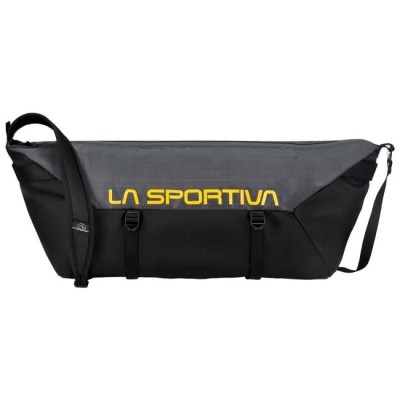
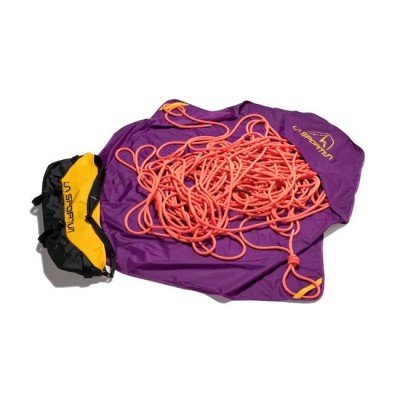
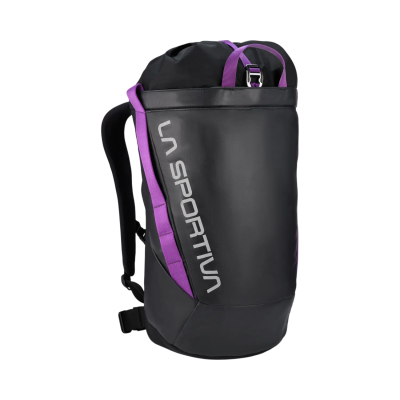
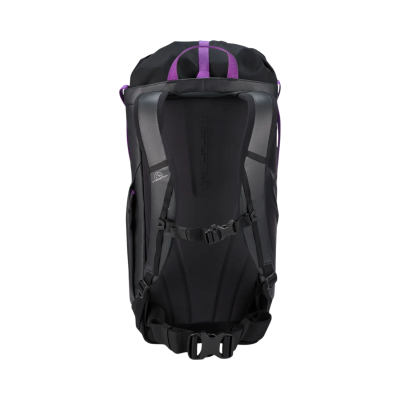
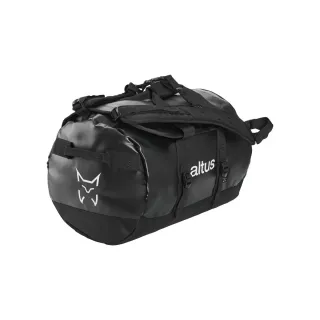
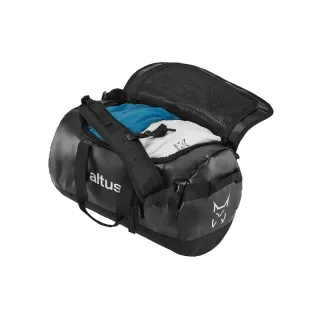
Shop Backpacks at Aristarun
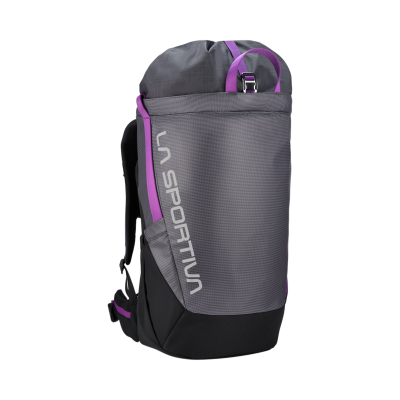
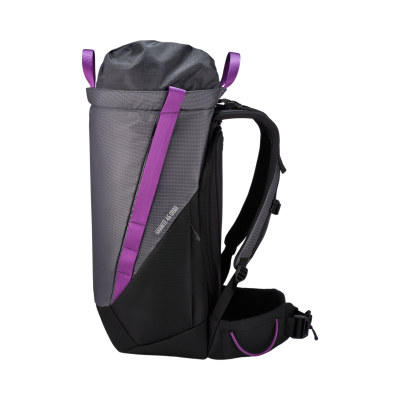
If you are an advanced runner, you seek performance and safety on every outing. In Backpacks you will find a technical catalog that covers from ultralight models for 1–2 hour runs to long-duration training packs with an ergonomic back panel and optimal load distribution. This catalog is designed for comparison between capacity, dry weight, hydration systems, and compatibility with ventilation peaks in prolonged ascents. At Aristarun, the selection responds to criteria of performance, durability, and technical support, for those evaluating the load drop, mass distribution, and the stability that helps maintain VO2max on long runs.
Types of Backpacks available at Aristarun
The backpack variant is a family within our range of equipment for trail training and light climbing, where the goal is to optimize load distribution, reduce movement on long runs and facilitate smooth foot placement on ascents and descents. Below, the options according to their differences:
Different approach: the body attachment for climbing is transmitted mainly through the waist and legs, not through load distribution on the back. Access the range at .
The difference lies in the function of securing and movement control with carabiners and locks; its structure prioritizes anchor rigidity and compatibility with belay systems. See more at .
They are oriented toward cranial protection and impact management, with integration for via ferrata routes and technical terrain; they do not seek dorsal load capacity. Check the offer at .
They focus on lightness and rigidity of carabiner attachment, with length and strength profiles suitable for rapid ascents and compact carrying. Explore the options at .
Includes components for securing and energy absorption in ferrata work, with anchors and energy-absorbing systems for demanding pitches. See the details at .
Why choose Backpacks? Key technical parameters
For an expert runner, the selection should be based on criteria of historical performance, load reliability, and terrain compatibility, from technical trail to light climbing. Evaluate these technical parameters when comparing models:
- capacity in liters to adapt volume to mileage and integrated hydration; identify ranges that cover outings of 2–4 h and 4–8 h without compromising mobility.
- weight dry of the system to optimize the tempo of running and avoid premature fatigue; ultralight models prioritize a weight-to-space ratio.
- waterproofness (mm of water column) and seam sealing to keep the load dry in variable conditions; consider a hood and rain cover for light rain or mud.
- ventilation of the back panel and air channels that reduce vapor buildup on long climbs and fast descents.
- fit of the torso, hip belt and compression straps to minimize sway and optimize stability during sprints and technical sections.
Frequently asked questions about Backpacks
What capacity is appropriate for long-duration trail trainings?
For 2–4 h outings, a capacity of 6–12 L is usually sufficient if you focus the weight on hydration and gels; for 4–8 h routes or ultratrail, look for 12–20 L with an integrated hydration system and strategically placed pockets to avoid stops.
What factors influence the back fit in a trail backpack?
The correct fit depends on the torso, the hip belt, and the shoulder straps. A back panel with ventilation and well-positioned anchor points reduces sway and improves stability on technical slopes.
Explore the full catalog at Backpacks and filter by capacity, weight and fit. If you’re looking to expand your climbing and Via Ferrata gear, also check these sister subcategories: Harnesses, Belay devices and locking devices, Climbing helmets and via ferrata helmets, Quickdraw slings, Climbing Via Ferrata accessories and energy absorbers.