Buy Climbing Shoes at Aristarun
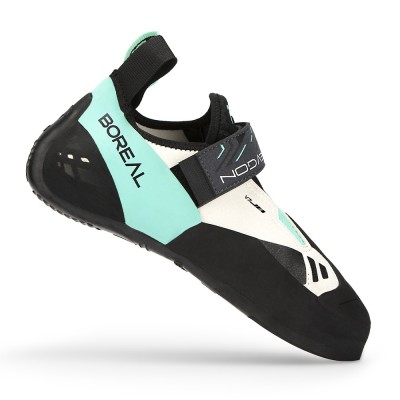
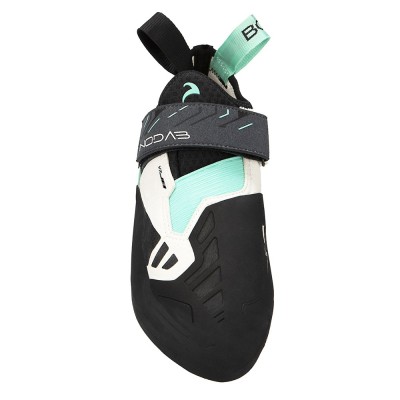
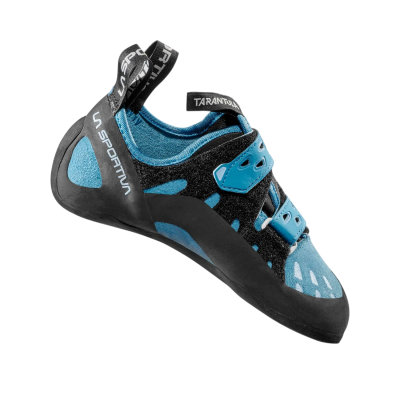
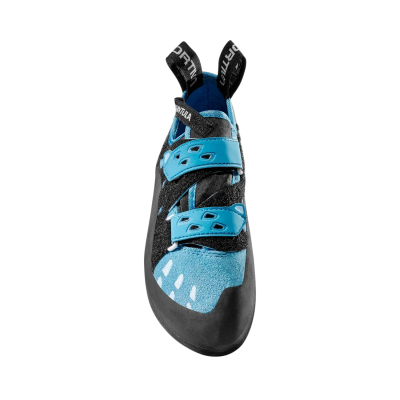
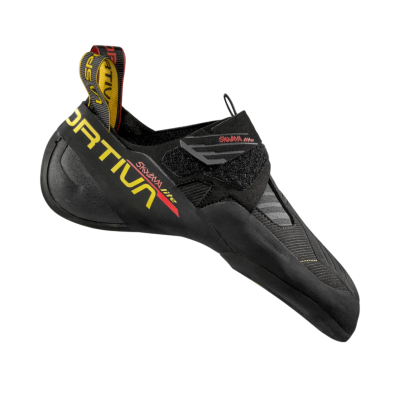
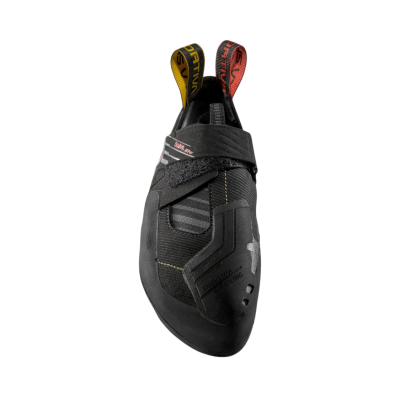
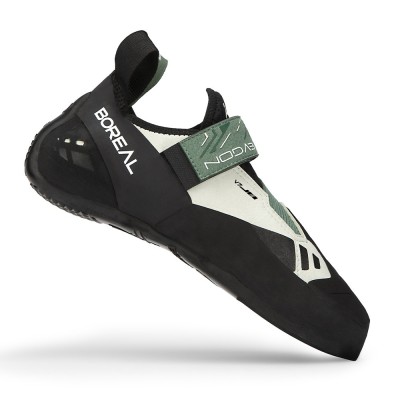
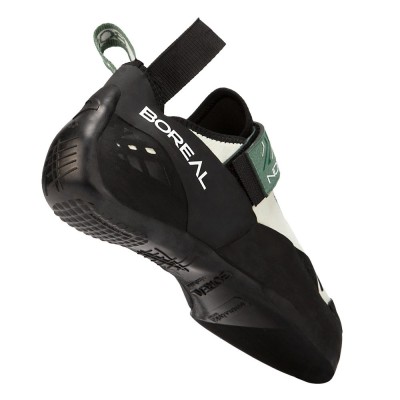
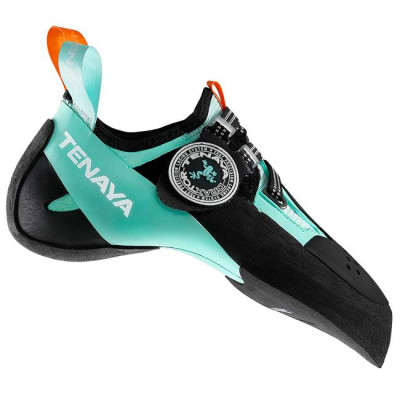
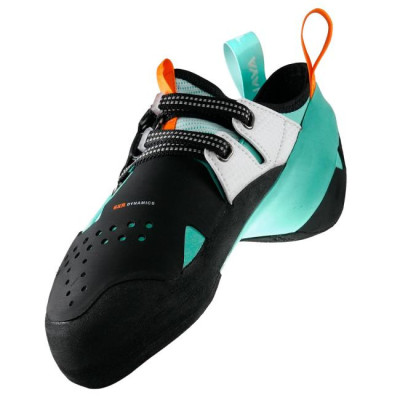
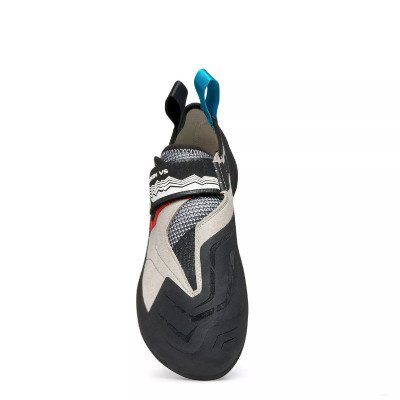
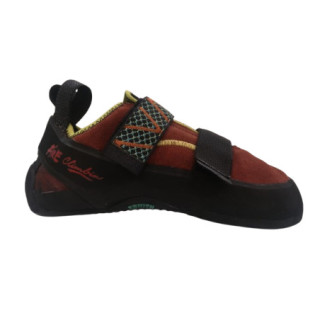
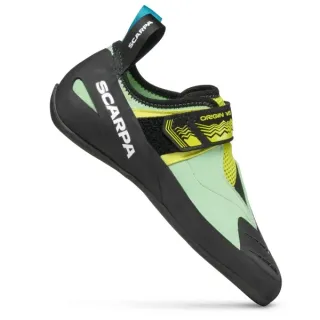
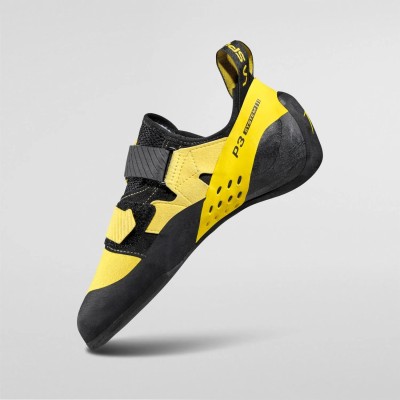
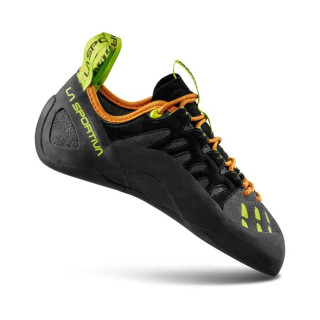
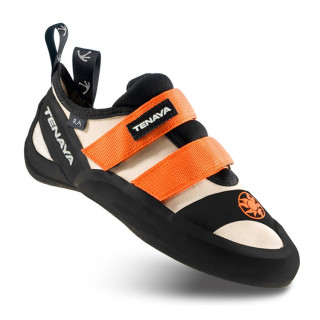
In this technical catalog you will find a selection of Climbing Shoes designed for advanced climbers. They are models that prioritize outsole grip, toe-point precision, and the sensory feedback needed for micro-edge moves. The range covers different rigidities and geometries to respond to progression on rock and demanding slabs, while maintaining reliable control of the shoe geometry during miles of mixed terrain on mountain routes. At Aristarun, 65 references are verified to offer stable and scalable performance.
Types of Climbing Shoes available at Aristarun
Climbing Shoes are a specific variant within the family of climbing footwear. Below, the options related to their differences:
Harnesses differ in safety focus and load distribution; they do not provide an adhesive outsole or a precise toe for micro-edges, a key feature of climbing shoes.
Belay devices and locking devices manage rope and braking; they do not offer direct contact with the rock or toe-edge precision; therefore they differ from climbing shoes.
Helmets protect the head; their function is different from the sole and the fine toe adjustment.
Quickdraws allow rapid clipping and load distribution on the wrist and forearm; they do not offer grip sensors nor sole rigidity for technical climbing.
Climbing dampers and accessories manage falls and force transmission; they do not replace the sensitivity of a sole for edges and micro-movements of the foot.
Why choose Climbing Shoes? Key technical parameters
When choosing climbing shoes, the technical parameters determine whether the fit, feel, and durability align with your demand for prolonged climbing and progression on ferratas. Consider how the sole geometry, sole rigidity, and weight influence your foot technique and VO2 max management during ascent and descent segments.
- Stack: Affects the height of the heel relative to the forefoot; a lower stack increases response on fine edges and stability in delicate movements.
- Sole stiffness: Transmits forces across rock irregularities; a medium stiffness offers a compromise between feel and support in cracks.
- Cushioning: Generally minimal; favors rock feel and texture reading, minimizing losses of precision on small blocks.
- Weight: Weight per pair; lighter models improve cadence and reduce fatigue on long routes and sustained ascents.
Frequently Asked Questions about Climbing Shoes
Which climbing shoes are suitable for slab climbing and tight cracks?
For slab and maintaining precision in micro-edges, look for a model with good toe sensitivity and a sole that allows you to read the rock. Opt for a construction that favors a stable fit to avoid slips during high-detail movements and controlled pronation.
How to choose the size of climbing shoes for climbing?
The size should feel like a second skin: try a size slightly tighter than your running shoes to maximize the feel of footwork and the precision of foot placements. Check that there are no pressure points and that the toe is not excessively extended to avoid overload.
Explore our collection of Climbing Shoes now and filter by size, stack and rigidity to optimize your progression in climbing and ferratas. If you're looking for a complement, also consult the relevant subcategories: Harnesses, Climbing helmets and via ferrata helmets or Quickdraws.