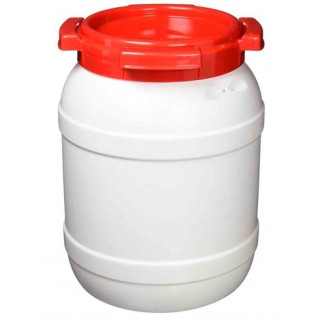
Buy Waterproof Bags at Aristarun
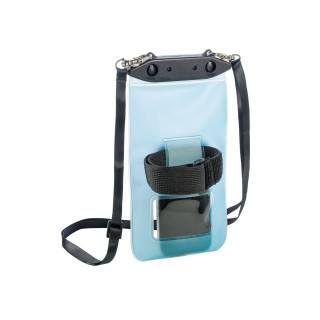
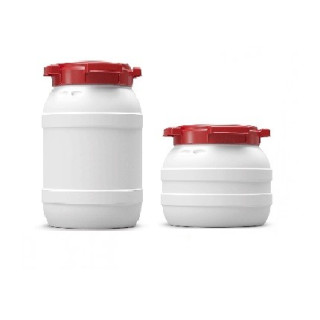
In Waterproof Bags for trail, canyoning, and exploration, you seek performance and reliability in extreme moisture conditions. This technical catalog gathers watertight solutions with seam-sealed construction and a robust closure, designed for sensitive loads and delicate materials. At Aristarun you will find options of varying sizes, degrees of impermeability, and compatibility with accessories for trail running and expeditions, keeping your key items dry at all times. The goal is to combine lightness, durability, and reliability in every kilometer of training mileage.
Types of Waterproof Bags Available at Aristarun
Waterproof bags are a specific variant within our family of exploration and canyoning equipment, aimed at containing dry cargo and protecting it from water. Below are the options related to their differences from other lines of equipment:
They differ in use and function: Speleo and Barrancos Harnesses are securing and safety systems, not containers; to expand load protection within a technical kit, consult.
Descenders and belay devices are rope handling and braking devices; they do not provide load watertightness like waterproof bags. They complement the protected load, but do not replace the function of dry storage; consult.
Helmets are head protection equipment; they do not retain load nor protect from water like Waterproof Bags. Consult [link] to understand their difference in safety and regulatory standards.
Straps and rings are securing accessories; they do not function as containers. To complement your loads in technical terrain, see [link].
Speleo canyoning accessories group items that support maneuvers and handling of elements; unlike a waterproof bag, their function is logistical and targeted protection. Explore [link].
Why choose Waterproof Bags? Key Technical Parameters
For an expert runner, the selection should be based on watertightness criteria, surface performance, and compatibility with the trail backpack. Consider these parameters to optimize your mileage and VO2max:
- Waterproofing and seam sealing to keep the contents dry during heavy rain or brief immersion.
- Volume in liters and expansion possibilities to load emergency gear, a thermal blanket, and devices.
- Grammage of the material and tear resistance, key for pulls on wet rock and abrasion.
- Closure and sealing method (roll-top, waterproof zipper) to facilitate opening with gloves and long-term reliability.
- Weight empty and the rigidity-to-weight ratio, which influences training mileage and comfort during high-exposure sections.
Frequently Asked Questions about Waterproof Bags
What liter capacity is suitable for canyoning outings?
It depends on duration and gear, but for half-day canyoning trips it is typically 5-10 L; for a full day, 15-20 L. If you carry sensitive electronics, prioritize models with reinforced sealing.
What differences are there between a Waterproof Bag and a camera dry bag?
Waterproof bags typically feature a roll-top closure and welded seams for total watertightness; camera bags are usually less water-resistant and not designed for large loads on technical terrain. Check waterproofing and resistance to kinks.
Explore the full catalog at Waterproof Bags and complement with Speleo and Barrancos Harnesses or Speleo Barrancos Accessories for a complete setup.