Buy Ropes at Aristarun
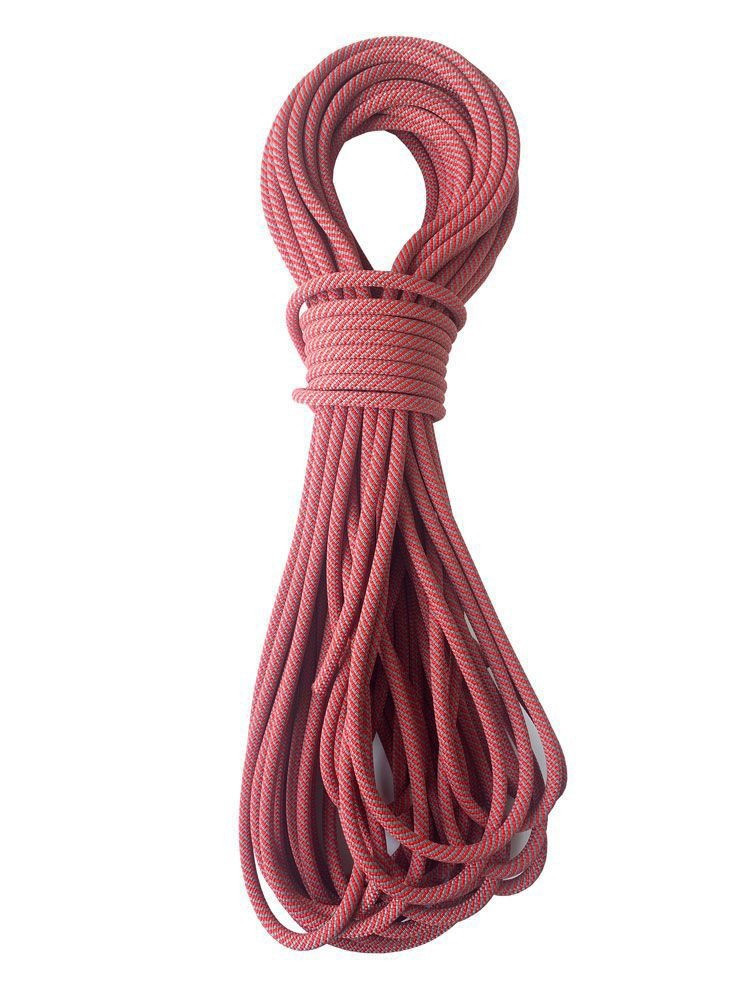
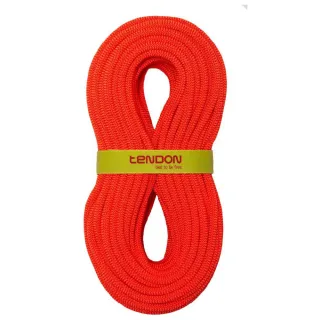
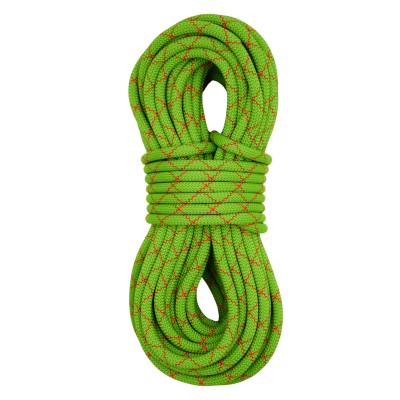
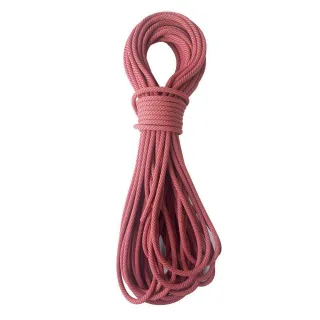
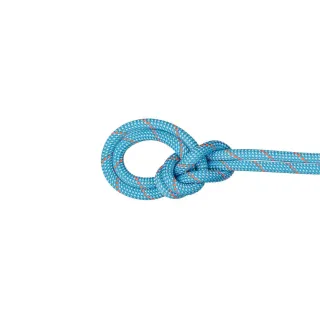
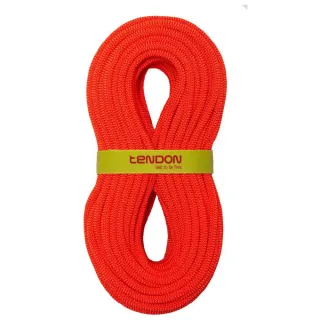
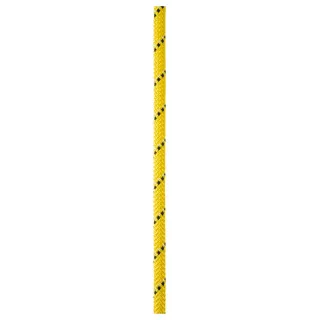
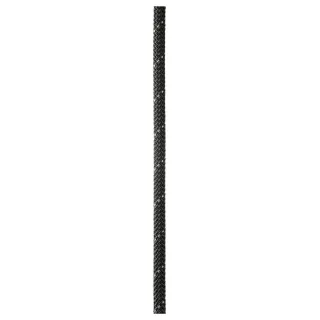
At Aristarun, Ropes are a pillar of safety and performance for climbing, via ferratas, and technical trekking. This catalog groups dynamic ropes for ascent and static ropes for belaying and rappelling, with lengths of 50 to 80 m and diameters between 9 and 11 mm. The correct choice depends on the type of route, expected wear, and the rope's dynamic response, so we work with leading manufacturers to ensure performance, durability, and compatibility with your belay kit. If you want to optimize your mileage on rock routes and via ferratas, here you'll find options that meet criteria of rigidity, damping, and knot handling.
Types of Ropes Available at Aristarun
Ropes are a specific variant within our climbing and via ferrata product family. Below are the options related to their differences:
Harnesses differ from Ropes in their function of securing and distributing loads on the body during progression; they do not replace the rope for belaying.
Belay devices and braking devices focus on friction control and fall arrest; unlike ropes, their use is as a complement to progression and safety, not as a rope element.
Climbing and via ferrata helmets protect the head from impacts; they are an indispensable safety accessory on via ferratas, distinct from the rope's function for ascent.
Quickdraws are used as rapid attachment points to anchor to the rope and the route; they should not be used as a substitute for Ropes in prolonged ascents.
Via Ferrata climbing accessories and dissipators manage impact absorption and safety on descents; they work alongside the rope, but do not replace its main function.
Why Choose Ropes? Key Technical Parameters
The right selection is based on technical criteria that balance safety, weight, and maneuverability for demanding routes.
- Diameter: typical diameter of 9–11 mm; influences wear, friction in carabiners, and ease of handling with gloves.
- Length: standard lengths of 50–80 m; determine how many abseil maneuvers and passes you'll need on long routes.
- Tensile strength: nominal value in kN specified by the manufacturer; defines the safety margin against dynamic loads and falls.
- Weight per meter: typical 60–75 g/m; impacts the overall rope weight and fatigue during long ascents.
- Flexibility and handling: degree of dynamic elongation and shock absorption; facilitates progressive ascents and controlled descents.
Frequently Asked Questions about Ropes
Dynamic or static ropes for climbing?
Dynamic ropes are designed to absorb the energy of falls and facilitate ascent, while static ropes are used for belaying and controlled descents. Choose according to the route, exposure, and the belay equipment that accompanies your movement.
What diameter is most recommended for via ferratas?
For via ferratas, a diameter of 9–11 mm offers a good balance between weight and handling, with enough rigidity to ensure durability and safety in maneuvers with wet or rocky grips. If you prioritize rappel distance and less friction, 10–11 mm is a common option.
Explore the full Ropes catalog and its variants for every terrain and training objective. Complete your kit with accessories in the related subcategories: Harnesses, Belay devices and braking devices, and Climbing helmets for via ferratas.