Buy Helmets at Aristarun
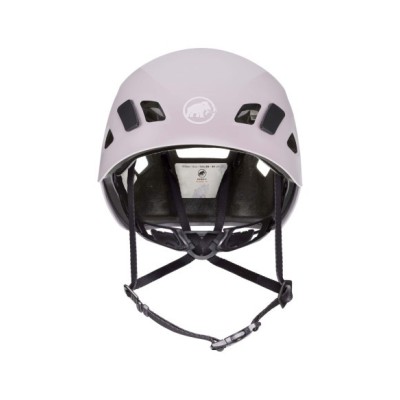
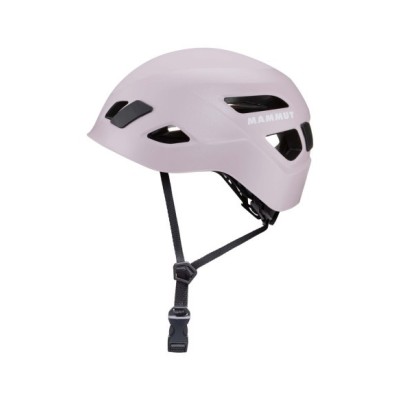
At Aristarun you have a technical range of Helmets designed for mountain running, advanced trail, and canyoning. This catalog brings together lightweight, certified models with ventilation and retention technologies that maximize safety without compromising performance on technical terrain. You will find specific options for light climbing, speleology, and high-mobility expeditions, optimized for VO2max and sustained running mileage.
Types of Helmets available at Aristarun
Helmets represent a variant within our family of protective gear, with emphasis on lightness, fit and impact dissipation for demanding uses. Below are the options related to their differences:
They differ from Helmets in that protection is integrated with the harness and accessories for speleology and canyoning, prioritizing impact management in lateral falls and technical rollovers; see .
They differ in that their function is belaying and descent, not head protection; the helmet should be used in conjunction with these devices when conditions require it; see .
They differ in that they are protective solutions for gear and contents against immersion, not for the head; they are compatible with helmets when canyon navigation requires hermetically sealed cargo transport; see .
They differ in that they are part of the securing and rigging of equipment, not of cranial protection; they are used for organization of cordage and load on technical routes; see .
They differ in that they group accessories for rope handling, illumination and fixation, not head protection; see .
Why choose Helmets? Key technical parameters
When selecting a helmet, consider protection and performance criteria for an expert runner. Below are the most relevant technical parameters:
- Weight - The typical weight ranges from 180 to 320 g, depending on size and shell; lighter weight improves neck stability and neuromuscular response during miles of running, without sacrificing structural integrity.
- Fit and retention - Retention system with a dial or chin strap that keeps the helmet stable against cadence variations and vibrations on uneven terrain; secure fit facilitates a quick transition between technical and trivial sections without pressure points.
- Ventilation - Channel and grille configuration that promotes airflow and heat dissipation; during climbs with high VO2max you notice better thermoregulation and less sweat on the forehead.
- Protections and certifications - Compliance with EN 12492/UIAA and multiaxial dynamic tests; ensures impact absorption and resistance on rocky trails, ice, and controlled free-fall.
- Compatibility and geometry - Geometry compatible with visors, goggles, and lighting; modular design allows adding accessories without compromising structural rigidity.
Frequently asked questions about Helmets
What certifications must Helmets for speleology and canyoning meet?
Helmets for this use must have EN 12492 and/or UIAA certifications, guaranteeing protection against impacts and robustness against dynamic falls on technical terrain; check the model label and certification date before each outing.
How to choose helmet size and fit for trail and speleology?
Measure the circumference of your head at the widest point and select the appropriate size, adjusting the dial and the chin strap so it sits securely without compressing. Test with gloves to confirm that the mechanism responds to climbing and descending conditions.
Explore the Helmets catalog now and discover models optimized for trail, speleology and canyoning. Visit Helmets or consult the related subcategories to expand your protection gear.