Shop Trail Hydration Bags at Aristarun
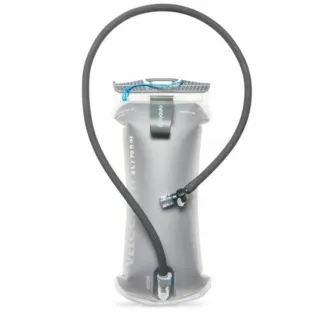
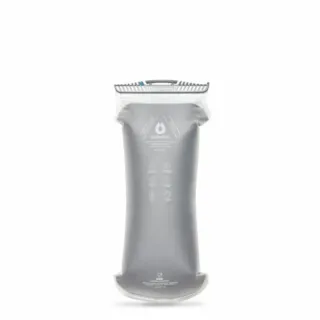
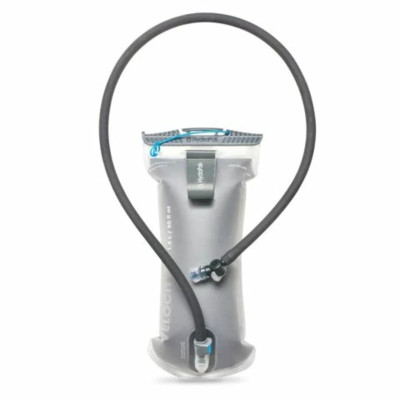
From a technical standpoint, the Trail Hydration Bags are designed to dose fluids during long-duration outings. This catalog groups models with different capacities, adjustment systems, and load distribution for trail and ultratrail runners. As an advanced runner, you seek efficiency in the hydration flow, backpack stability, and compatibility with your footstrike and running mileage. At Aristarun you will find options that optimize VO2max and back-weight control without compromising the gait mechanics of your stride.
Types of Trail Hydration Bags Available at Aristarun
Trail Hydration Bags are a specific variant within our trail family. Below are options related to their differences:
Trail Poles
Trail Poles differ from this hydration system in their focus on support and leverage, not on liquid storage; to view options visit Trail Poles.
Trail Belts
Trail Belts differ from this hydration system in their waist-weight management, reducing back movement during technical turns; visit Trail Belts.
Trail Glasses
Trail Glasses do not store liquids and focus on eye protection and sweat management; check Trail Glasses.
Trail Caps
Trail Caps provide sun protection and stiffness to the head, without hydration capacity; see Trail Caps.
Trail Backpacks
Trail Backpacks offer greater capacity and load distribution; this compact hydration system provides breathability; details at Trail Backpacks.
Why Choose Trail Hydration Bags? Key Technical Parameters
To choose a suitable solution for your runner profile, review these key technical criteria:
- Capacity (ml): determines the frequency of feedings and running mileage management; a typical range is between 150 and 1000 ml depending on elevation and temperature.
- Fit and ergonomics: adjustable straps and modular back reduce oscillation during climbs and descents and prevent chafing during fast foot strikes.
- Dry weight and distribution: the weight of the system without water should be minimal to avoid increasing the metabolic cost at VO2max.
- Nozzle and flow: stable flow and quick shut-off to prevent losses from vibration on technical terrain.
- Sweat resistance and durability: lightweight fabrics, sealed seams, and stiffness protection to maintain shape in variable conditions.
Frequently Asked Questions about Trail Hydration Bags
What water capacity is suitable for long-distance trails?
The optimal capacity depends on the climate, terrain, and availability of aid stations; for 2-4 hour routes, 500-750 ml is usually sufficient, while for ultratrail you may consider 1–2 L if there are not frequent re-supply points.
Is it better a standalone hydration bag or a backpack with a reservoir for long trainings?
For 60-90 minute sessions, a 500-700 ml bag offers enough autonomy and lower weight; for extended outings in remote terrain, prioritize systems with greater capacity and good back breathability and ventilation.
Ready to upgrade your gear? Explore this catalog and find the option that best fits your trail. this catalog or discover relevant subcategories such as Trail Backpacks and Trail Belts.