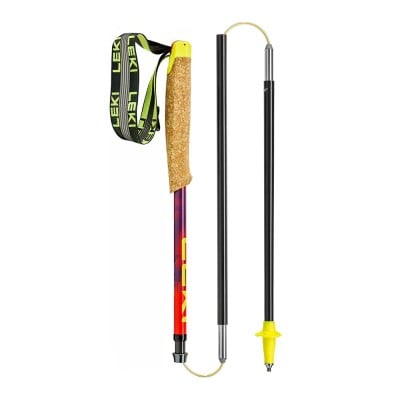
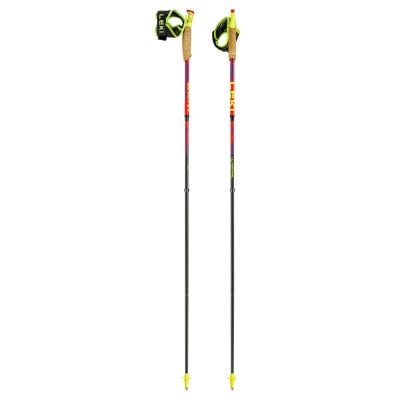
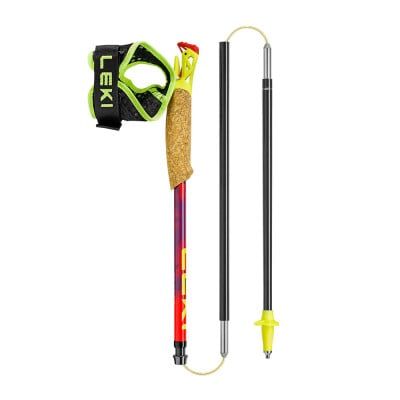
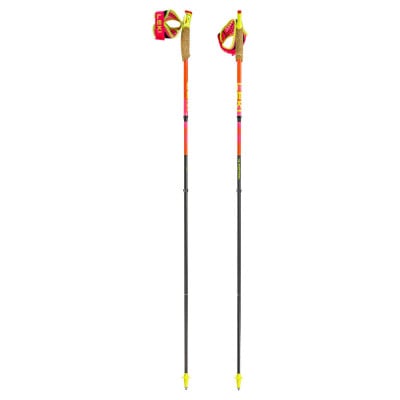
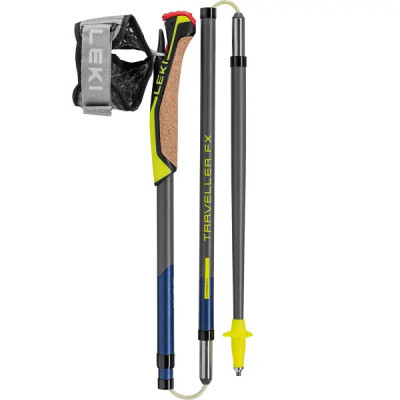
Buy Trail Poles at Aristarun
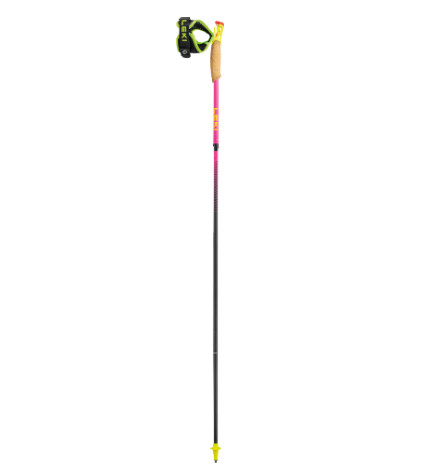
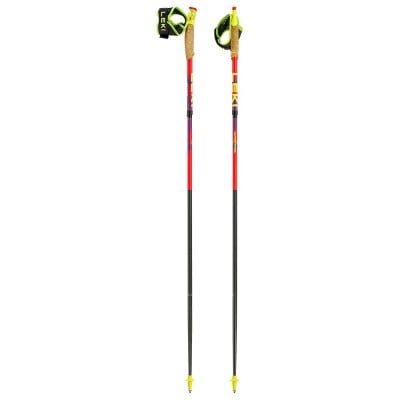
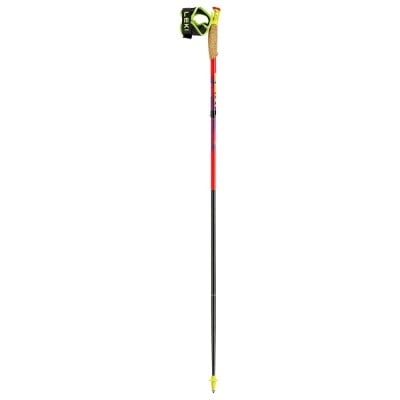
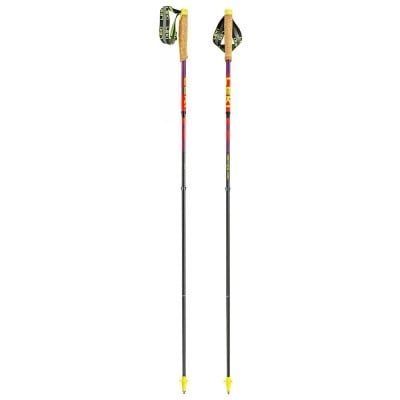
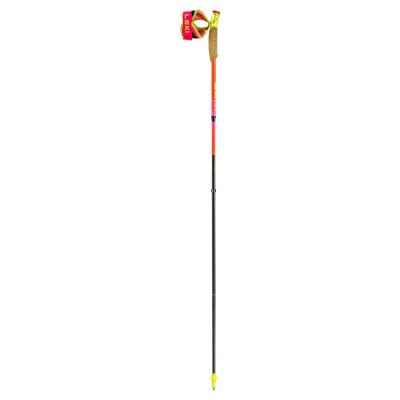
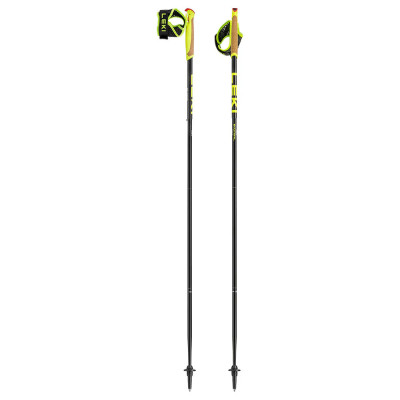
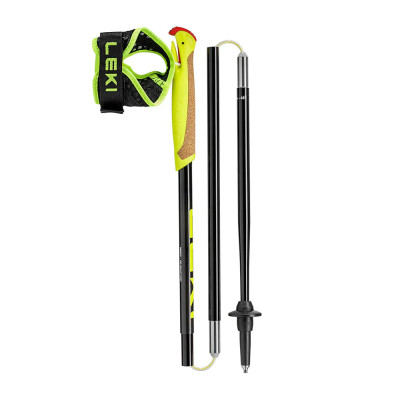
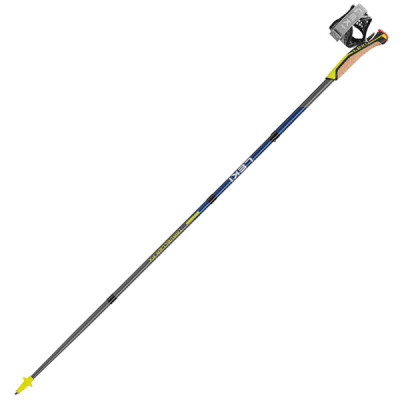
For advanced runners, Trail Poles allow optimizing leverage on climbs and reducing fatigue on descents thanks to proper cushioning and a low weight per pair. This technical catalog groups models with adjustable lengths, shafts made of aluminum or carbon fiber, and reliable locking systems, designed for high mileage and technical terrain. At Aristarun you will find 19 options within the Trail family, selected for performance, ergonomics, and durability, with attention to detail at every contact point and compatibility with different trail surfaces.
Types of Trail Poles available at Aristarun
Trail Poles are a specific variant within the Trail Accessories family. Below are the options related to their differences:
Trail Hydration Packs
Trail Hydration Packs complement autonomy, but differ from Trail Poles in that their primary function is storage and liquid supply, not mobility support. Trail Hydration Packs
Trail Belts
Trail Belts allow carrying liquids and accessories without relying on support poles; the key difference lies in the loading and stability objectives during movement. Trail Belts
Trail Glasses
Trail Glasses provide optical protection and glare management during changes in lumen, while Trail Poles focus on propulsion and stability; both lines complement each other for long outings. Trail Glasses
Trail Caps
Trail Caps provide sun exposure control and ventilation, without affecting the support mechanics and the ergonomics of the pole sections. Trail Caps
Trail Backpacks
Trail Backpacks prioritize capacity and layout, with compartments for poles and accessories, while Trail Poles focus on leverage and stability on technical terrain. Trail Backpacks
Why choose Trail Poles? Key technical parameters
When selecting Trail Poles, consider technical criteria that impact step efficiency, stability, and resistance to trail conditions. Below are key parameters for an advanced buying criterion:
- Weight per pair: total weight of the pair in grams, a determinant for maintaining pace and trail mileage without compromising energy efficiency.
- Adjustable length: extension range to adapt the lever to your height and the terrain profile, maximizing propulsion on climbs and stability on descents.
- Pole shaft material: options in aluminum or carbon fiber, influencing rigidity, cushioning, and impact resistance.
- Locking system: locking mechanisms (lever or twist-lock) that affect security and adjustment speed during technical sections.
- Interchangeable tips: interchangeable tips for different surfaces, improving grip and durability on rock, dirt, or mud.
Frequently Asked Questions about Trail Poles
What length should Trail Poles be for trail running?
The appropriate length depends on your height and the terrain; the general guideline is that, with the pole planted, the forearm forms approximately a 90-degree angle. On climbs, seek an extension that optimizes leverage, and on descents adjust to maintain stability without straining the joint.
What material is best for Trail Poles, aluminum or carbon?
Carbon offers lighter weight and greater rigidity, supporting better foot strike efficiency at high speeds and sustained VO2max training. Aluminum is more resistant to impacts and tends to be more affordable; it is a reliable option for technical terrain and heavy use without extra cost.
Ready to elevate your trail performance? Explore the catalog at Trail Poles and complete your gear with the related sections: Trail Hydration Packs, Trail Belts, Trail Glasses, Trail Caps and Trail Backpacks.